
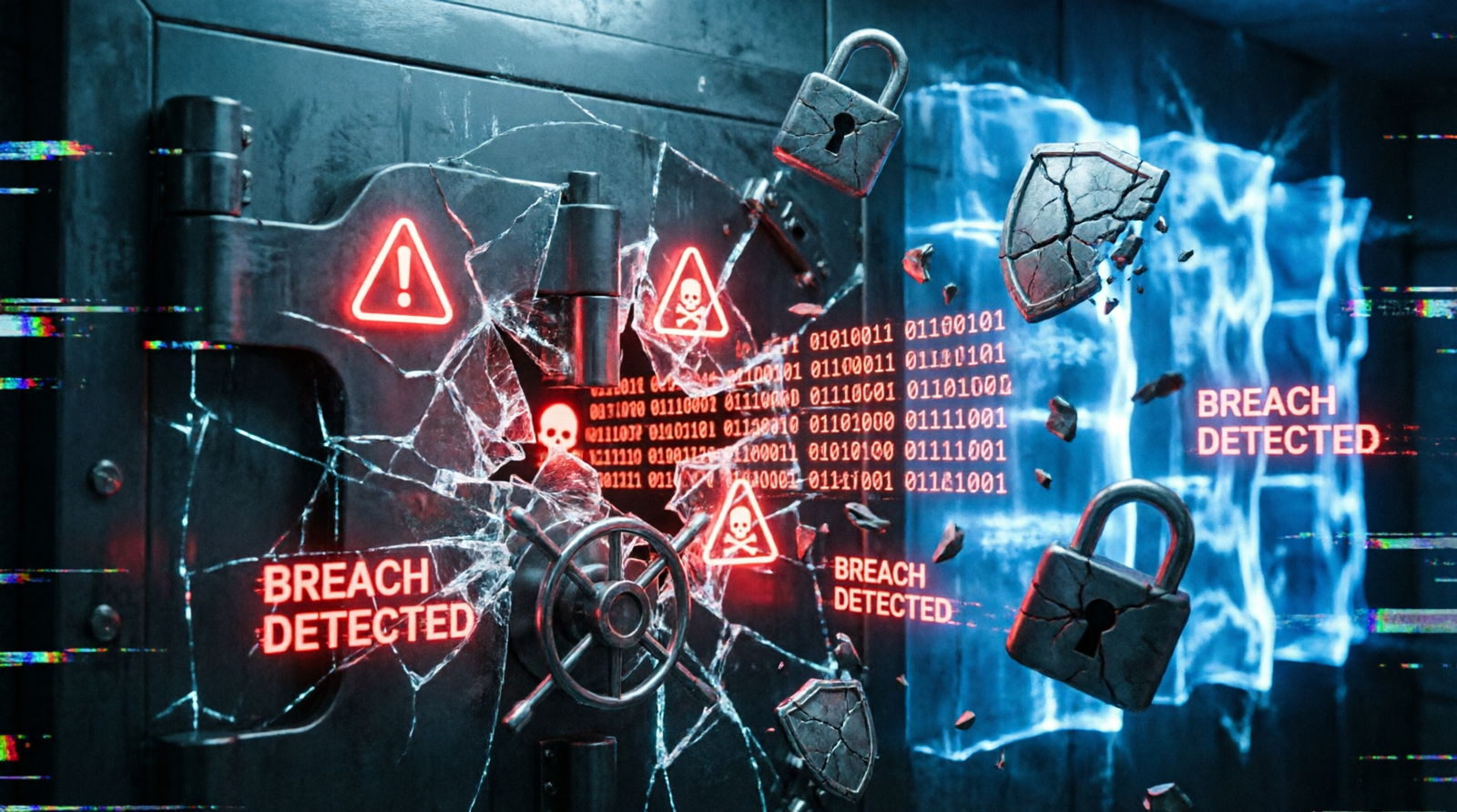
The online world is no stranger to data breaches and leaks, but certain incidents stand out because of their scale and potential fallout. Thejavasea.me leaks aio-tlp370 has become one of the most talked-about topics in cybersecurity circles recently. This event involves the exposure of sensitive materials related to an advanced log processing tool, raising alarms for businesses, developers, and everyday internet users alike.
Understanding this leak is crucial in today’s digital landscape, where one compromised tool can ripple across entire networks. Whether you’re a tech professional worried about enterprise security or simply someone concerned about personal data privacy, diving into the details of thejavasea.me leaks aio-tlp370 helps you stay informed and protected. This article explores the background, implications, and actionable steps everyone should consider.
What is Thejavasea.me, and What Is Its Role in Leaks?
Thejavasea.me operates as a technology-focused forum and community hub. It covers topics ranging from software reviews and tutorials to more specialised areas like network tools, proxies, and various leaks shared among enthusiasts. While it positions itself as a resource for tech discussions, it has gained notoriety for hosting or linking to leaked archives and sensitive files.
Users frequent the site seeking exclusive insights or bundled resources that aren’t easily available elsewhere. However, this environment also attracts those interested in underground exchanges, making it a hotspot for the circulation of potentially illicit or stolen materials. The platform’s structure allows anonymous contributions, which adds to both its appeal and its risks.
In the context of broader cybersecurity trends, sites like this highlight how quickly information can spread across the internet. Thejavasea.me isn’t the only player, but its visibility in recent discussions around aio-tlp370 has put it under the spotlight. Many visitors come for legitimate tech knowledge, yet the presence of leak sections creates a mixed ecosystem where caution is always advised.
Understanding AIO-TLP370: The All-In-One Transparent Log Processor
AIO-TLP370 refers to a version or package of the All-In-One Transparent Log Processor. This enterprise-grade tool is designed to collect, analyse, and manage logs from multiple sources within complex IT environments. It helps organisations monitor systems, detect anomalies, and maintain compliance by efficiently processing vast amounts of data.
The “Transparent” aspect emphasises its ability to handle logs while potentially obfuscating sensitive information for privacy reasons. Features often include integration with popular platforms, real-time alerts, and advanced analytics. Before the leaks, it was valued in DevOps and security operations for streamlining log management that would otherwise require multiple disparate tools.
The “370” likely indicates a specific release or build variant in a series of similar packages. These tools are critical to modern infrastructure because logs form the backbone of troubleshooting, auditing, and threat detection. When such a specialised system gets compromised, the consequences extend far beyond a simple data spill.
What Was Exposed in the Thejavasea.me leaks AIO-TLP370?
Reports indicate that the leak involved a substantial archive, reportedly over 1.2 GB, containing a mix of highly sensitive files. This included source code for the log processor, configuration files with embedded credentials, developer notes, and internal incident response playbooks.
Such exposures are particularly damaging because they don’t just reveal data—they provide blueprints. Attackers could study the code to identify vulnerabilities, exploit hardcoded secrets for unauthorised access, or understand the defensive strategies outlined in the playbooks. This turns a defensive tool into a potential offensive asset in the wrong hands.
Beyond the technical files, the package may have included integration details for cloud services and third-party modules. This level of detail makes thejavasea.me leaks aio-tlp370 more than a one-off breach; it represents a significant supply-chain risk for any organisation relying on similar logging solutions.
“A single leak like this doesn’t just expose data—it arms adversaries with the knowledge to bypass entire security layers.” — Cybersecurity Analyst.
The Risks and Dangers Associated with These Leaks
One of the primary concerns with thejavasea.me leaks aio-tlp370 is the exposure of credentials. Configuration files often contain API keys and secrets that, if valid, grant direct access to connected systems. Bad actors can exploit these to move laterally across networks, escalate privileges, and cause widespread damage.
Operational transparency poses another major threat. Leaked playbooks show exactly how teams respond to incidents, allowing sophisticated attackers to craft bypass techniques. This erodes the element of surprise that defenders rely on, making future breaches harder to contain.
For businesses, the fallout includes reputational harm, regulatory penalties, and operational disruptions. Individuals might face increased phishing risks or identity theft if personal data surfaces in related logs. The interconnected nature of modern tech means one organisation’s leak can impact partners and customers downstream.
Supply-chain attacks amplified by such leaks are especially insidious. Tools like AIO-TLP integrate deeply into ecosystems, so vulnerabilities discovered through the leak can propagate quickly if not addressed promptly.
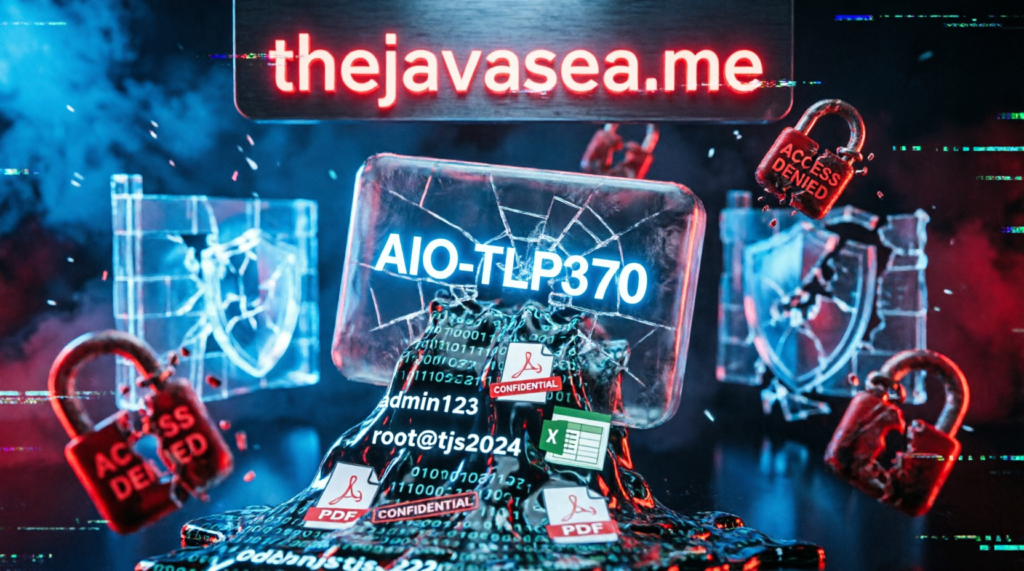
Why Thejavasea.me Leaks AIO-TLP370 Matters in Today’s Cybersecurity Landscape
This incident fits into a larger pattern of toolkits and enterprise software being targeted or repurposed in underground communities. Earlier variants in the AIO-TLP series have also appeared, suggesting a recurring theme in how sensitive tech resources circulate.
It underscores the evolving nature of threats where leaks aren’t random but targeted at high-value assets. Hackers and researchers alike pore over exposed code to uncover zero-days or improve their own tools. For the wider public, it serves as a wake-up call about the fragility of digital trust.
The buzz around thejavasea.me leaks aio-tlp370 also drives important conversations about responsible disclosure and vendor accountability. Companies must balance innovation with robust security practices to prevent such exposures.
Quote: “In the age of interconnected systems, a leak in one tool can become a vulnerability for thousands.” This reality makes staying vigilant non-negotiable for anyone handling data.
How to Protect Yourself and Your Organisation from Similar Leaks
Immediate actions are essential if you suspect exposure. Start by auditing systems for any use of affected tools and rotate all credentials immediately. Revoking potentially compromised keys limits damage even if secrets were leaked.
Implementing zero-trust architecture adds strong layers of protection by verifying every access request regardless of origin. Network segmentation further contains potential breaches, preventing attackers from moving freely.
Long-term strategies include investing in threat intelligence to monitor for circulating leaks and conducting regular penetration testing. Employee training on recognising phishing and safe download practices reduces human-error risks that often accompany leak trends.
For developers and IT teams, prioritising secure coding, regular updates, and supply-chain vetting helps build resilience. Tools with strong encryption and minimal hardcoded secrets are preferable going forward.
Comparing AIO-TLP370 to Other Notable Leaks
While unique in its focus on log processing, thejavasea.me leaks aio-tlp370 shares similarities with past incidents involving source code exposures. Like major breaches at large corporations, it highlights how internal tools can become liabilities when not properly secured.
What sets this apart is the specialised nature of the content. General data dumps might contain emails or passwords, but technical leaks like this provide executable knowledge that skilled threat actors can weaponise quickly.
This comparison emphasises the need for industry-wide standards in handling proprietary tools. Organisations should learn from each event to refine their security postures rather than treating them in isolation.
| Content Exposed | Source code, configs, playbooks | Emails, passwords, personal info |
| Primary Risk | Supply-chain & exploitation | Identity theft & phishing |
| Target Audience | Enterprises & developers | General public |
| Mitigation Difficulty | High (requires code audits) | Medium (password changes) |
| Long-term Impact | Widespread tool vulnerabilities | Account-specific compromises |
The Future of Leak Prevention and Cybersecurity Best Practices
Moving forward, the tech community must emphasise proactive measures over reactive fixes. Blockchain for build verification, enhanced encryption, and collaborative threat sharing between vendors could reduce the frequency and impact of leaks like thejavasea.me leaks aio-tlp370.
Artificial intelligence and machine learning will play a larger role in anomaly detection, helping spot unusual access before data is exfiltrated. However, human oversight remains irreplaceable for interpreting complex threats.
Education at all levels—from individual users to corporate boards—will determine how well we adapt. The goal isn’t perfect security, which is impossible, but creating systems resilient enough to withstand inevitable attempts.
Conclusion
Thejavasea.me leaks aio-tlp370 serves as a powerful reminder of the persistent challenges in our digital ecosystem. From exposed source code and credentials to broader supply-chain vulnerabilities, this incident reveals how interconnected risks have become. By understanding the details and implementing strong defences, individuals and organisations can better navigate these threats.


Staying informed, practising good hygiene like regular credential rotation and cautious downloading, and advocating for better security standards are key. Cybersecurity isn’t a one-time effort but an ongoing commitment. As tools evolve and leaks continue to surface, vigilance and adaptability will define those who stay protected in an increasingly complex online world.
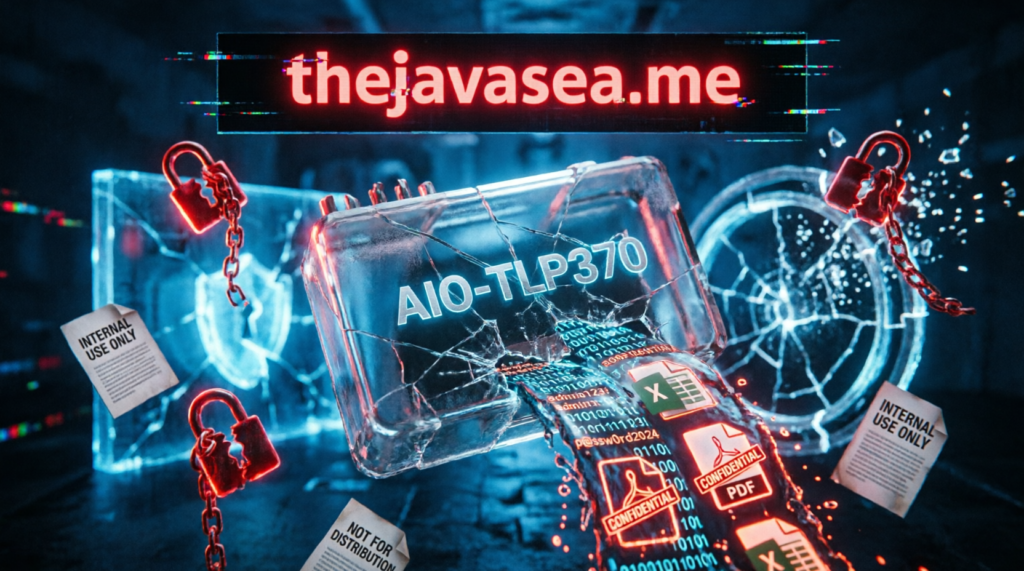
Image Prompt for AI Generation: Create a dramatic, futuristic cybersecurity-themed digital illustration showing a dark web forum interface like thejavasea.me with glowing red warning alerts, broken lock icons, leaking data streams in binary code, a large cracked transparent log processor tool in the center, surrounded by warning shields and protective firewalls in neon blue tones, high contrast, cyberpunk aesthetic, professional and urgent mood.
FAQ
What exactly is thejavasea.me leaks aio-tlp370?
Thejavasea.me leaks aio-tlp370 refers to the public exposure of files related to the All-In-One Transparent Log Processor tool on the thejavasea.me platform. It typically includes source code, configurations, and operational documents that were not meant for public access.
Is the data from thejavasea.me leaks aio-tlp370 still dangerous?
Yes, even after initial circulation, leaked materials remain risky because they can be downloaded and repurposed by cybercriminals at any time. Credentials or vulnerabilities discovered in the files may still be exploitable if systems haven’t been updated or patched.
Who is most affected by the javasea.me leaks aio-tlp370?
Enterprises using log management tools, developers, and organisations with complex IT infrastructures face the highest risks. Individual users could indirectly suffer from increased phishing or from their data appearing in related logs.
How can I check whether my information was affected by the javasea.me leaks aio-tlp370?
Monitor for unusual account activity, use breach-checking services like Have I Been Pwned, and review internal logs if you’re in IT. Avoid searching for or downloading the leaked files yourself, as this increases your exposure to malware.
What should I do immediately after learning about the leaks at javasea.me aio-tlp370?
Change passwords, enable multi-factor authentication everywhere, audit connected systems, and consult cybersecurity professionals if you use affected tools. Focus on prevention to limit any potential damage.